Wealth advice is undergoing a quiet but profound shift.
Increasingly, clients are not just asking how to grow and preserve their wealth, but instead they are asking how to use it meaningfully. Questions of purpose, legacy, and impact are moving from the margins to the centre of financial conversations.
Philanthropy sits at the heart of this shift. And within it, climate philanthropy is emerging as one of the most important and often overlooked opportunities for advisers. For many high-net-worth individuals, giving is already a core part of life. Research shows that 86% of HNW individuals donate to charity, compared to just 50% of the public (CAF, 2025). Not only is participation high, but the scale of giving is increasing, with median annual donations continuing to rise.
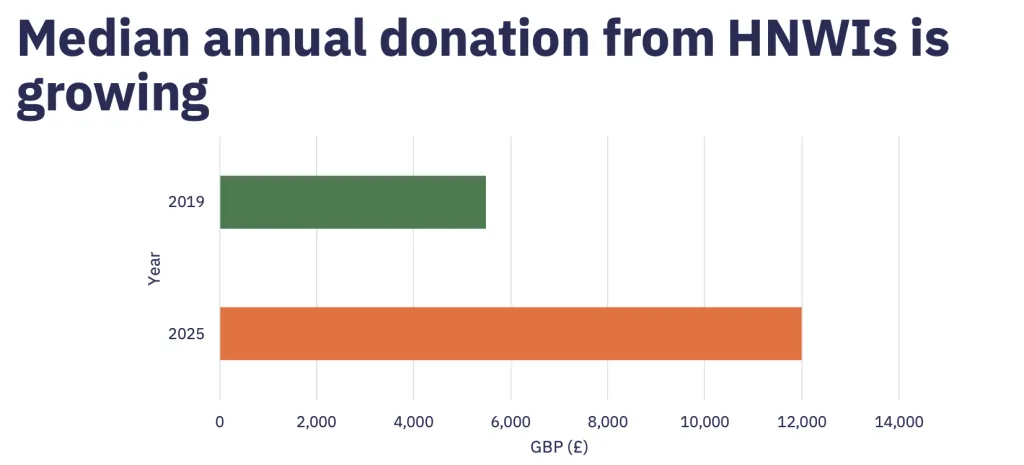
In other words, philanthropy is not a niche interest. It is a mainstream behaviour among wealthy clients. And yet, despite this, philanthropy is still too often absent from wealth advice conversations. We term this the ‘advice gap’; there is a clear disconnect between what clients want and what they receive.
While 81% of high-net-worth clients say it is important for advisers to raise philanthropy proactively, only 33% report that their adviser does so (Barclays, 2025). Even more strikingly, just 23% say their bank initiated the conversation (Ibid). This gap represents more than a missed opportunity; it signals a misalignment between client expectations and advisory practice.
Part of the issue lies in how these conversations are framed. Advisers often approach philanthropy through a technical lens, focusing on tax efficiency or estate planning. Clients, however, tend to approach it from a values-driven perspective, prioritising the causes they care about and the impact they want to have. When those perspectives don’t align, the conversation never fully lands.
However, this also presents a strategic opportunity for advisers. Bringing philanthropy into wealth advice isn’t just about meeting client expectations, but it can also strengthen the business itself. Firms that integrate philanthropy into their offering can see client lifetime value increase by around 25%, alongside potential AUM growth of 15% over a decade (CAF, 2026). These outcomes are not surprising. When clients feel that their adviser understands both their financial goals and their personal values, relationships deepen and assets tend to follow. Philanthropy, in this sense, is not an add-on. It is a relationship-building tool.
Preparing for the Next Generation
This becomes even more important in the context of the ongoing intergenerational wealth transfer. Advisers face a stark reality: 92% of affluent investors did not consider their parents’ adviser (CAF, 2023). Retaining the next generation requires more than continuity, it requires relevance.
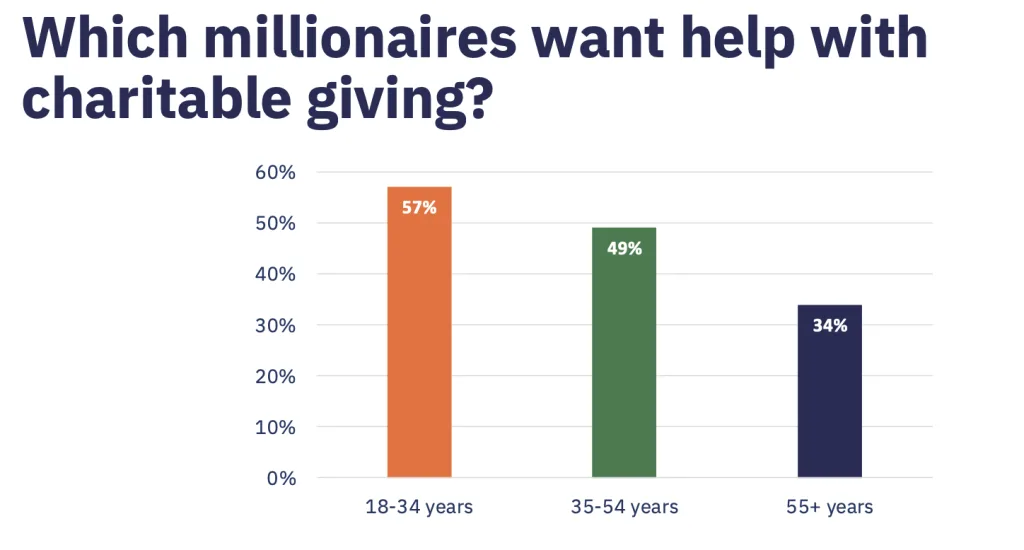
Younger clients are not only more engaged with philanthropy, but they also expect guidance. Among millionaires aged 18-34, 57% want help with charitable giving, and more than half of wealthy individuals under 35 are more likely to choose an adviser who offers philanthropy advice (CAF, 2023). For this cohort, philanthropy is not peripheral. It is central to how they think about wealth.
“Environmental sustainability is a top priority for Millennials and especially for Gen Z, and they are increasingly steering their families toward sustainable investments and philanthropic endeavors focused on climate and the environment” (UBS, Trends in Philanthropy, 2025).
Why climate is rising to the forefront
Within philanthropy, climate and the environment ranks as the second most popular area of giving among high-net-worth individuals (Barclays, 2025). Support is not only widespread but growing, with the proportion of wealthy donors backing environmental causes increasing from 29% in 2012 to 40% in 2025 (ibid).
This reflects a broader shift in awareness. Climate change is no longer seen as a distant or abstract issue; it is increasingly understood as a systemic risk that touches every aspect of society. For younger generations, this concern is even more pronounced. Millennials and Gen Z consistently rank environmental sustainability as a top priority, and they are actively influencing both investment and philanthropic decisions within their families. Among HNW individuals under 40, climate is again one of the leading causes for charitable giving (UBS, 2025).
Climate philanthropy complements sustainable finance
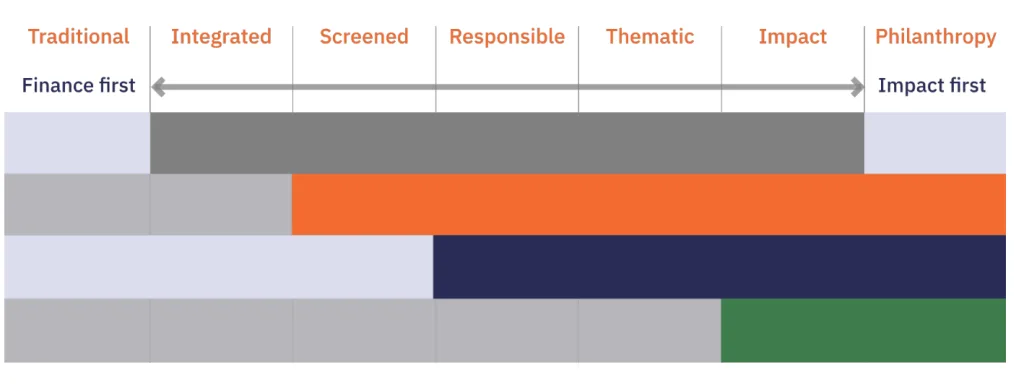
Many wealth managers are already responding to client demand through sustainable and ESG investing. But investing alone cannot address every dimension of the climate challenge. Philanthropy plays a distinct and complementary role. It can fund early-stage innovation, support policy change, and back high-impact interventions that may not generate financial returns but are critical to systemic progress. Seen this way, climate philanthropy is not separate from sustainable finance, rather it completes it.
There is also a more fundamental reason climate deserves attention. A stable climate and healthy natural systems underpin nearly every other philanthropic objective. From global health to economic development, from food security to social stability, environmental conditions shape outcomes at every level. Supporting climate solutions is therefore not just one cause among many, it is a way of reinforcing all others.
And yet, despite its importance, climate remains significantly underfunded. Today, less than 2% of global philanthropic funding is directed toward climate mitigation. This imbalance creates a rare opportunity: the chance for philanthropic capital to achieve outsized impact. For clients who want to make a difference, few areas offer such a combination of urgency, scale, and effectiveness.
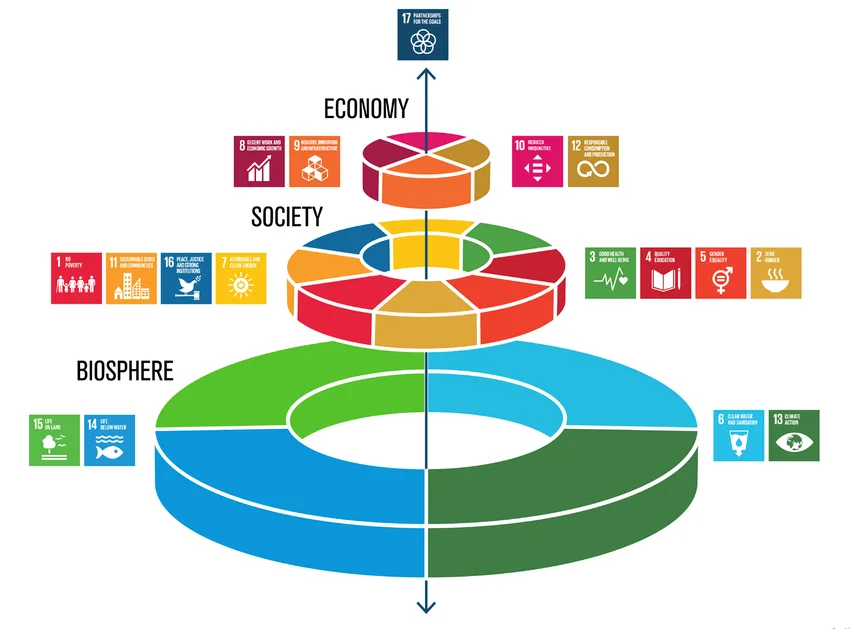
Azote for Stockholm Resilience Centre, Stockholm University CC BY-ND 3.0
The role of the adviser
All of this points to a clear conclusion. Philanthropy is becoming an essential component of wealth advice, and climate philanthropy is rapidly emerging as one of its most important dimensions. Advisers who engage with this shift, who can connect financial expertise with clients’ values and ambitions, will be better positioned to build deeper relationships, retain the next generation, and differentiate their offering.
The question is no longer whether philanthropy belongs in wealth advice. It is how thoughtfully and how effectively it is integrated.
Learn more about how we work with financial advisers: