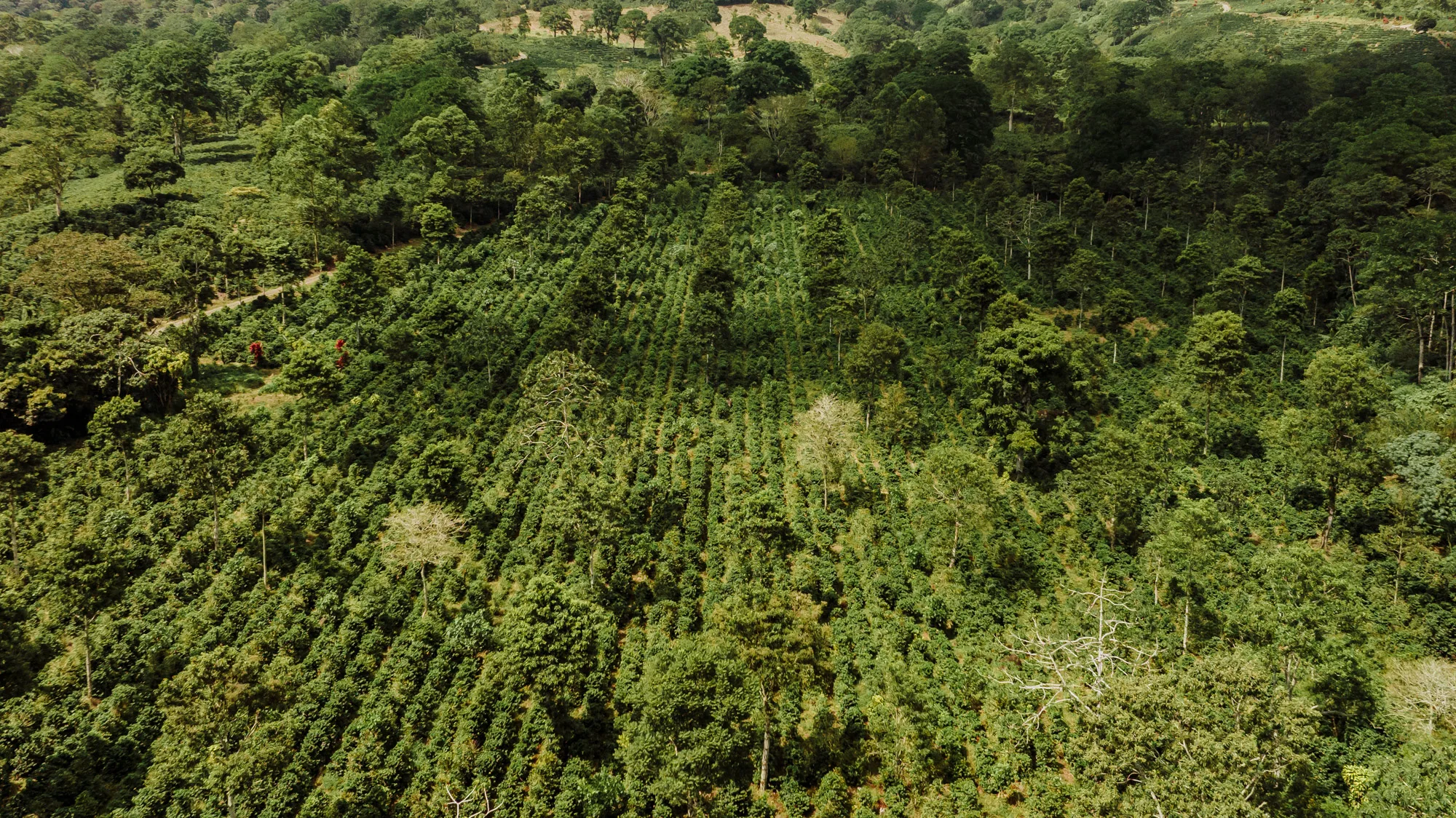
Welcome back to the Global Returns Project’s (GRP’s) monthly newsletter! This month, we’re looking into our food systems and diving into why regenerative agriculture is key to a sustainable future for us and our planet.
Food production today is a major driver of ecosystem loss and global emissions, and the most significant cause of terrestrial biodiversity loss. However, it can also be a tool for adaptation to climate pressures. Conventional farming practices often deplete soils and ecosystems; regenerative agriculture, by contrast, helps restore them, transforming the way food is grown.
Regenerative agriculture takes a holistic approach to traditional farming, prioritising nature-first methods such as restoring soil health, promoting biodiversity, and improving ecosystem health.
By reducing greenhouse gas emissions, improving soil resilience, and boosting biodiversity, regenerative agriculture strengthens farming systems — while farmers benefit from higher productivity, greater yields, and new green revenue streams. Together, these outcomes protect the natural foundations of food security.
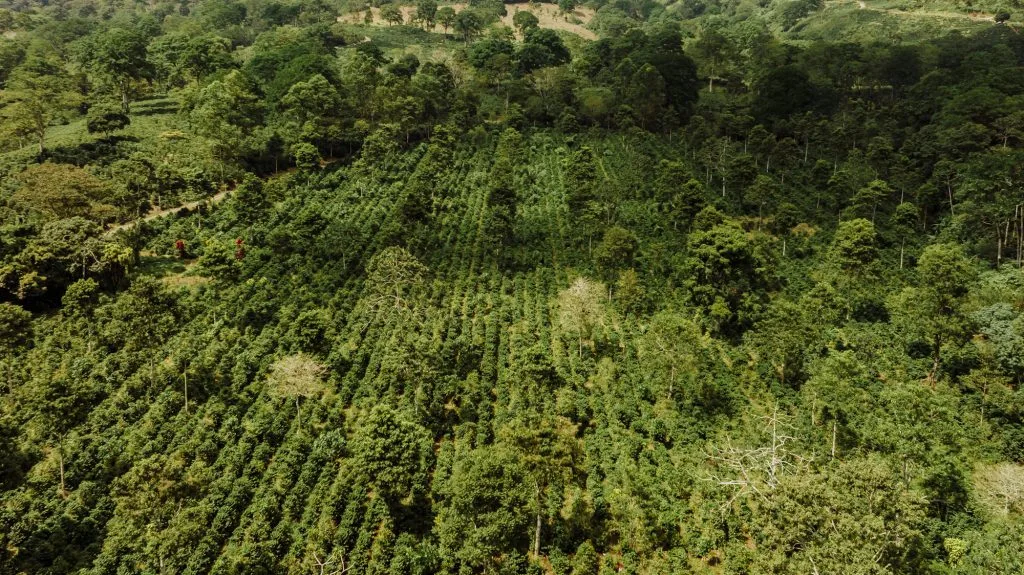
For over 40 years, Rainforest Alliance has supported farmers in protecting nature. Just last year, it officially launched its new Regenerative Agriculture Seal (RAS) certification — a recognisable sign that farming the right way can benefit ecosystems and farmers alike.
The certification recognises farmers who are already using regenerative and sustainable practices and incentivises those ready to transition to improved farming methods that can nourish the planet.
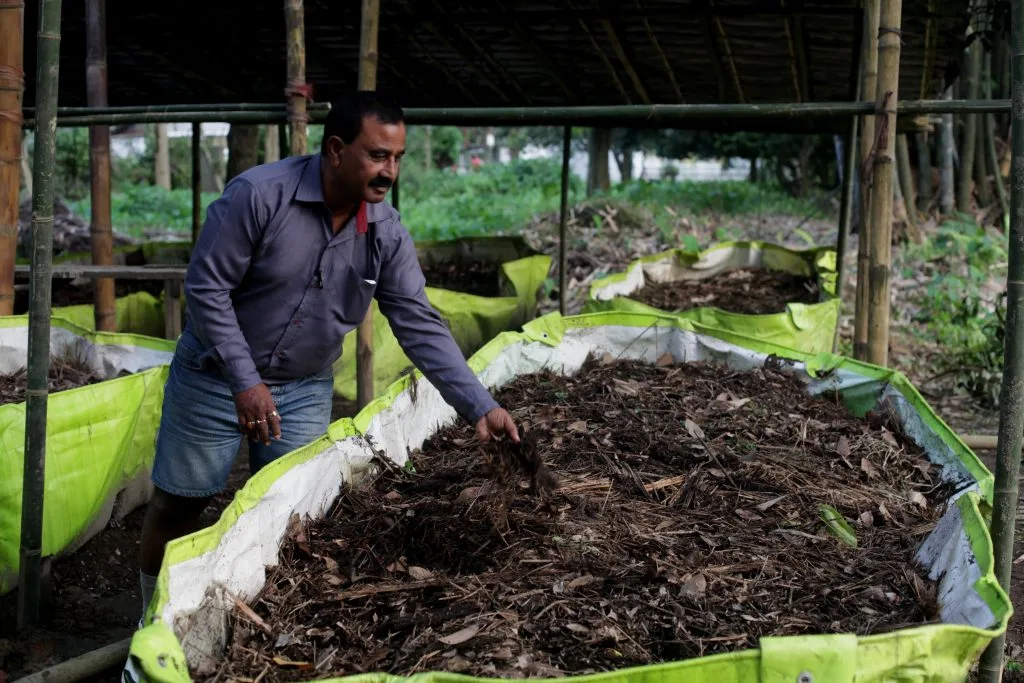
So what do regenerative farms actually do? Some examples are:
- Plant cover crops, or non-productive crops that prevent erosion, suppress weeds, or encourage biodiversity;
- Recycle soil and use organic compost to boost nutrient levels and lessen chemical use;
- Rotate crops seasonally to improve soil health and break pest cycles.
Rainforest Alliance works primarily with coffee farmers in Costa Rica, Mexico, Nicaragua, and Brazil, but it will soon expand to other crops — including oranges, cocoa, and tea — across new regions.
By supporting the Global Returns Project, you help fund organisations like Rainforest Alliance that are leading this transformation. Together, we can protect people, nature and the climate.