Every legacy gift goes directly to our portfolio of charities that support causes like rainforest restoration, protection of marine ecosystems, climate change initiatives and more. Here’s what that looks like in practice.
Forests
Forests aren’t just victims of environmental change. They’re also part of the solution. Protecting and restoring them stabilises soils and water cycles, preserves biodiversity and locks away carbon at scale.
Scientists warn that continued forest loss in the Amazon, Congo Basin and Southeast Asia could push these systems past a tipping point, turning carbon sinks into carbon sources. Legacy gifts help fund indigenous land rights secured through advocacy, protected areas that outlast political cycles and legal enforcement against illegal logging.
Ocean protection
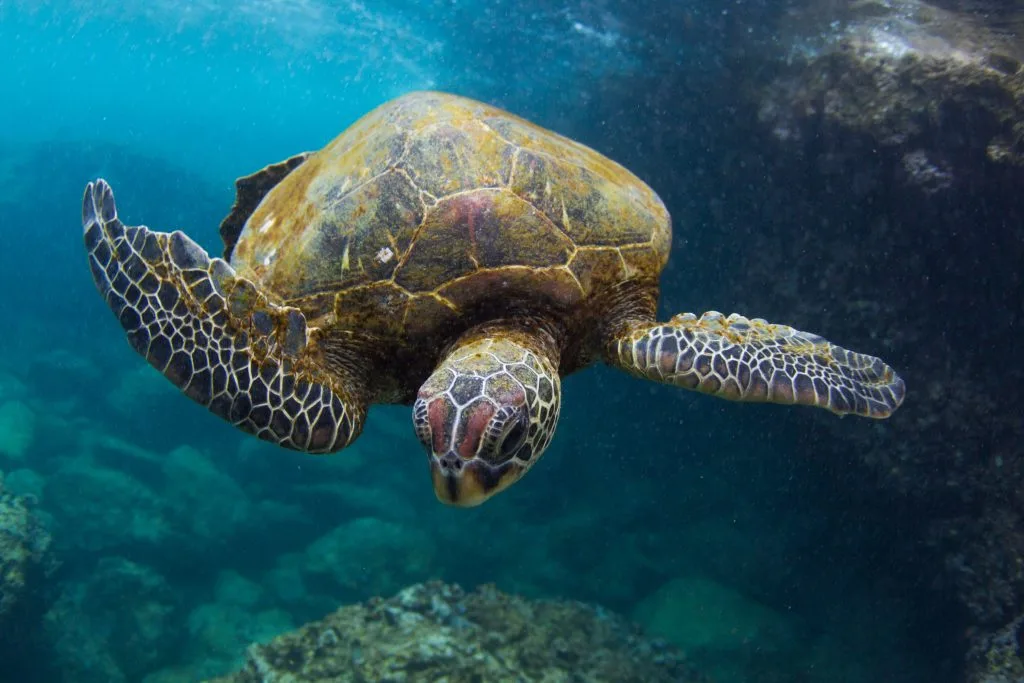
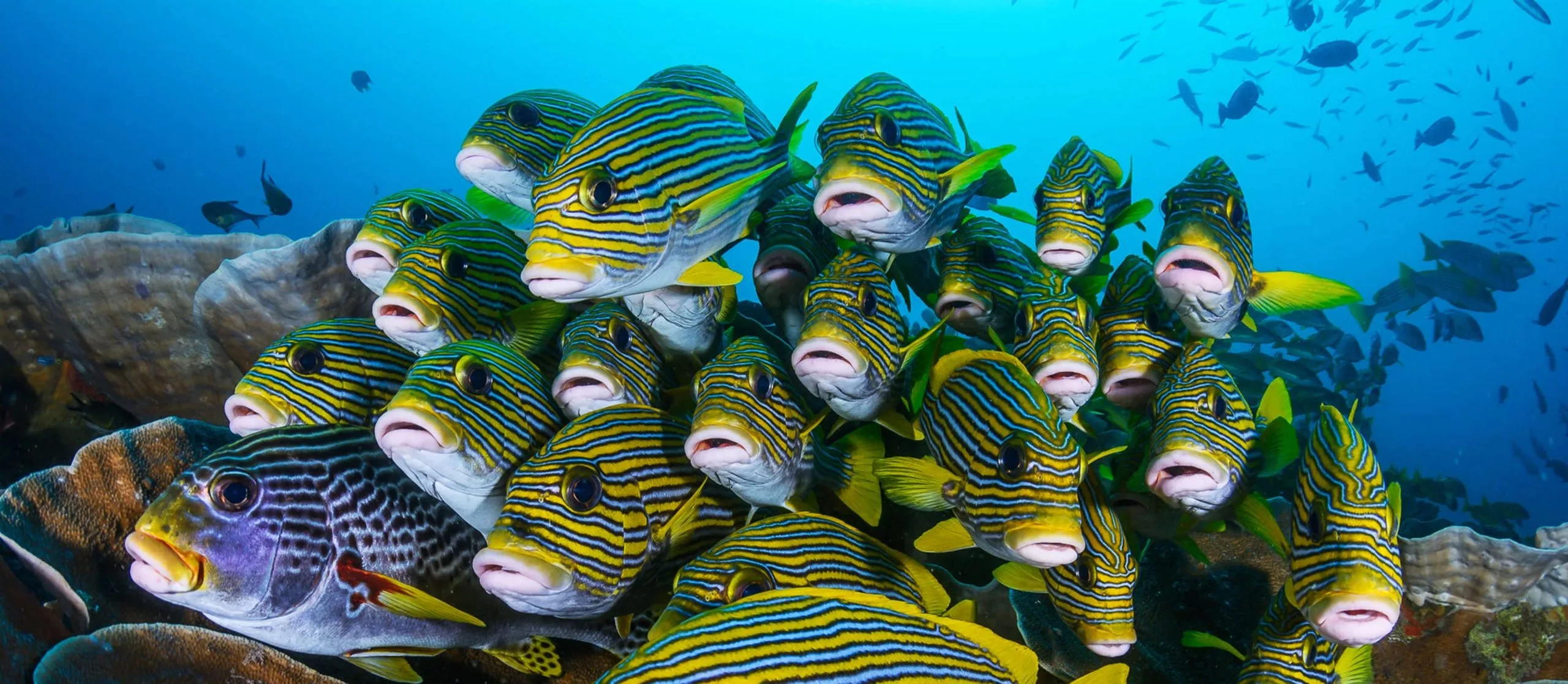
Oceans regulate global climate and support marine life at a scale land-based action can’t replace. Legacy gifts fund protected areas, sustainable fishing enforcement and the science behind identifying which waters need protection most. This work has already helped protect hundreds of thousands of square kilometres of ocean.
Climate change and emissions
Cutting emissions at the source is one of the most urgent levers available. Legacy gifts support evidence-based initiatives that reduce greenhouse gases directly. Funding also helps with the regenerative agriculture programmes that transform land use at scale. Financing can even help turn farmland into a long-term carbon sink rather than a source of emissions.
Environmental law and accountability
Some environmental progress comes from the courtroom. Legal action can force polluters to change practices, block harmful projects before they start and set precedents that outlast single campaigns. Legacy gifts sustain this kind of legal work, which often takes years to accomplish.
Data and nature markets
Effective climate action depends on knowing where money and attention are most needed. Legacy gifts also support the data and market infrastructure that helps organisations understand and reduce their impact on nature.
Waste and plastics
Plastic production now drives more global emissions than the aviation industry, and millions of tonnes of plastic enter our oceans every year through inadequate waste systems. Legacy gifts help fund community-led zero waste infrastructure — from local recycling and composting facilities to source segregation and reuse systems. These rapidly deployable, low-cost systems stop plastic pollution before it starts, rather than cleaning up after it.